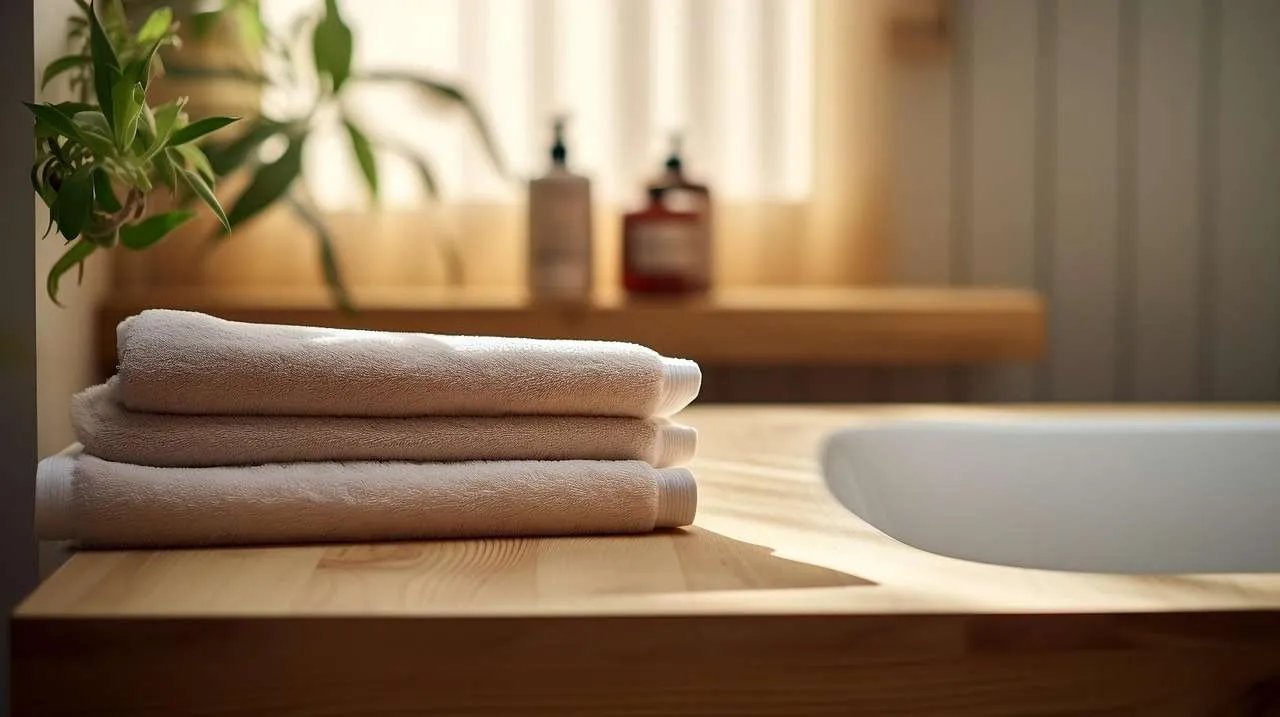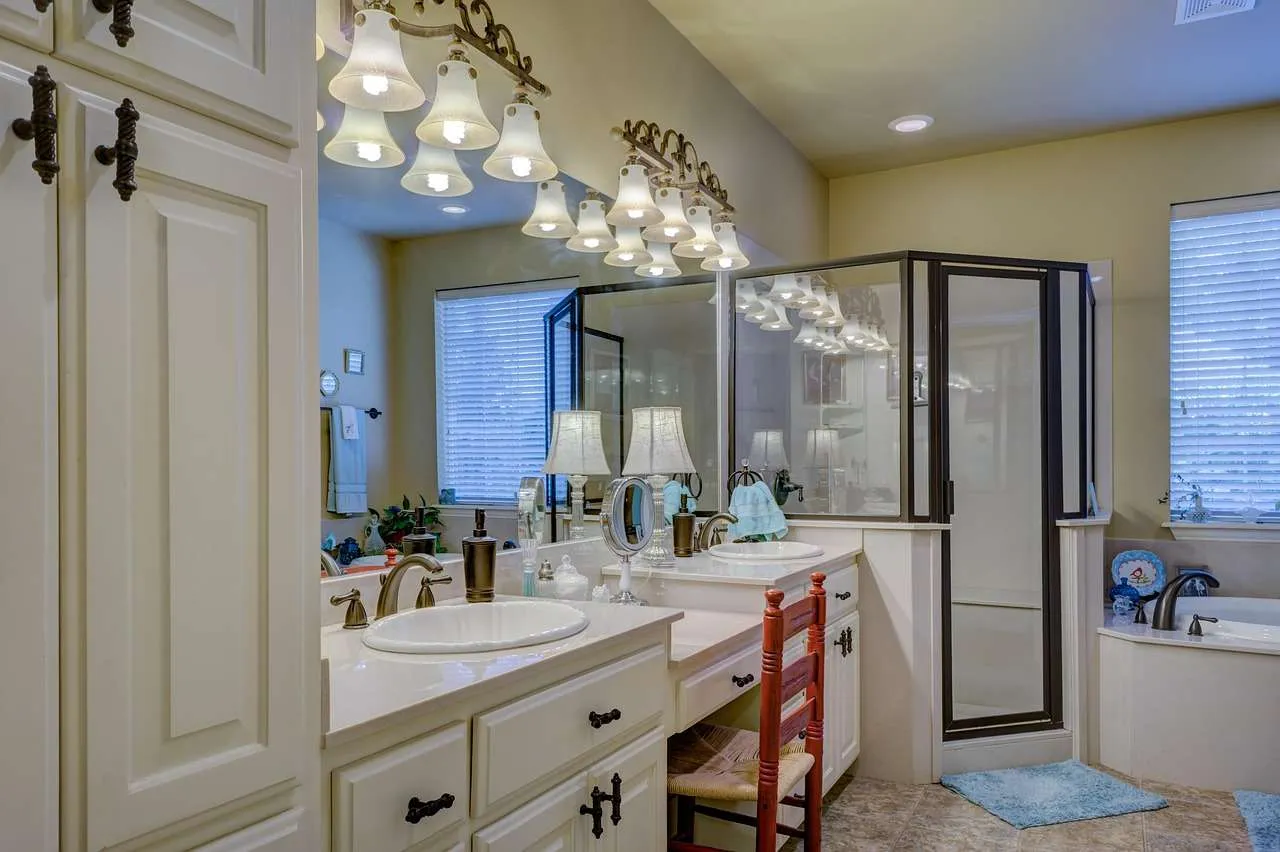
Bathroom decor influences daily rituals, mood, and home value. As a seasoned designer, I apply EEAT principles—expertise, authoritativeness, and trustworthiness—to guide you through durable, beautiful choices for any bathroom. This article offers practical ideas, sources, and a step-by-step approach to crafting a space you love.
Know your space and intent
Before selecting trends, map the room: measurements, ventilation, humidity, and user needs. A family bathroom benefits from solid storage and slip-resistant floors; a powder room can experiment with bolder finishes. Start with a mood board that aligns with your lifestyle and budget.
Color palettes that transform bathrooms
Color sets the tone. Neutrals create calm and flexibility, while deep accents add personality. In small spaces, color is best applied via vanity, towels, or tile trims to avoid overwhelming the room.
Light base neutrals
Large-format light tiles reflect daylight and visually enlarge the room. Pair with white cabinetry and matte metal hardware for a timeless base.
Accent statements
Introduce a single bold element—crystal blue tile, a charcoal vanity, or a black framed mirror—to anchor the design without sacrificing cohesion.
Materials, finishes and textures
Humid environments demand durable materials. Porcelain and ceramic tile resist moisture; quartz countertops stay pristine; tempered glass keeps showers bright. Mix matte textures with glossy surfaces to create depth and interest.
Durable surface recommendations
Choose porcelain or ceramic floor tiles, vitrified wall tiles, quartz countertops, and tempered glass shower enclosures for longevity and ease of maintenance.
Lighting and mood
Layered lighting improves function and ambiance. Use ceiling ambient light, vanity task lighting, and accent lighting to highlight textures. A color temperature around 3000–4000K maintains a natural, flattering glow for daily routines.
Storage and layout
Smart storage reduces clutter, enabling decor choices to shine. Consider recessed niches, medicine cabinets with mirrors, and vertical storage. Select waterproof cabinetry with soft-close doors to preserve a neat look over time.
Budgeting and planning
Set a clear budget and allocate for essential upgrades first—waterproofing, ventilation, and durable finishes. Layer in decor elements such as textiles, plants, and artwork to personalize the space without overspending. Favor timeless pieces over trend-driven buys for lasting value and better SEO-friendly content alignment.
Comparison of popular bathroom decor styles
| Style | Vibe | Color Palette | Materials | Pros | Cons |
|---|---|---|---|---|---|
| Scandinavian | Light, airy | White, neutrals, light wood | Porcelain, wood-look laminates, glass | Calm, easy maintenance | Can feel cold if over-minimized |
| Modern Minimal | Clean lines | Monochrome with bold accents | Quartz, glass, metal | Clutter-free, timeless | Requires high-quality materials to avoid starkness |
| Farmhouse | Warm and inviting | Creams, taupe, whites, black accents | Ceramic, wood, brick-look tiles | Cozy, durable | Less suitable for high-gloss modern bathrooms |
| Coastal | Fresh, breezy | Light blues, whites, sandy neutrals | Ceramic tile, fiberglass, glass | Relaxing vibe, easy to refresh | Bleaching risk with sunlight if poorly sealed |
Implementation checklist
1) Verify measurements and plumbing. 2) Set a cohesive base palette. 3) Select durable, water-resistant materials. 4) Plan lighting in layers. 5) Add decor touches—art, plants, textiles—for personality.
Conclusion, A balanced bathroom decor combines color, materials, lighting, and storage to deliver a timeless, functional space. Start with a calm base, layer in texture, and select durable finishes to maintain beauty with less upkeep. This approach ensures a stylish bathroom that stands up to daily use and earns trust through thoughtful planning and expert guidance.