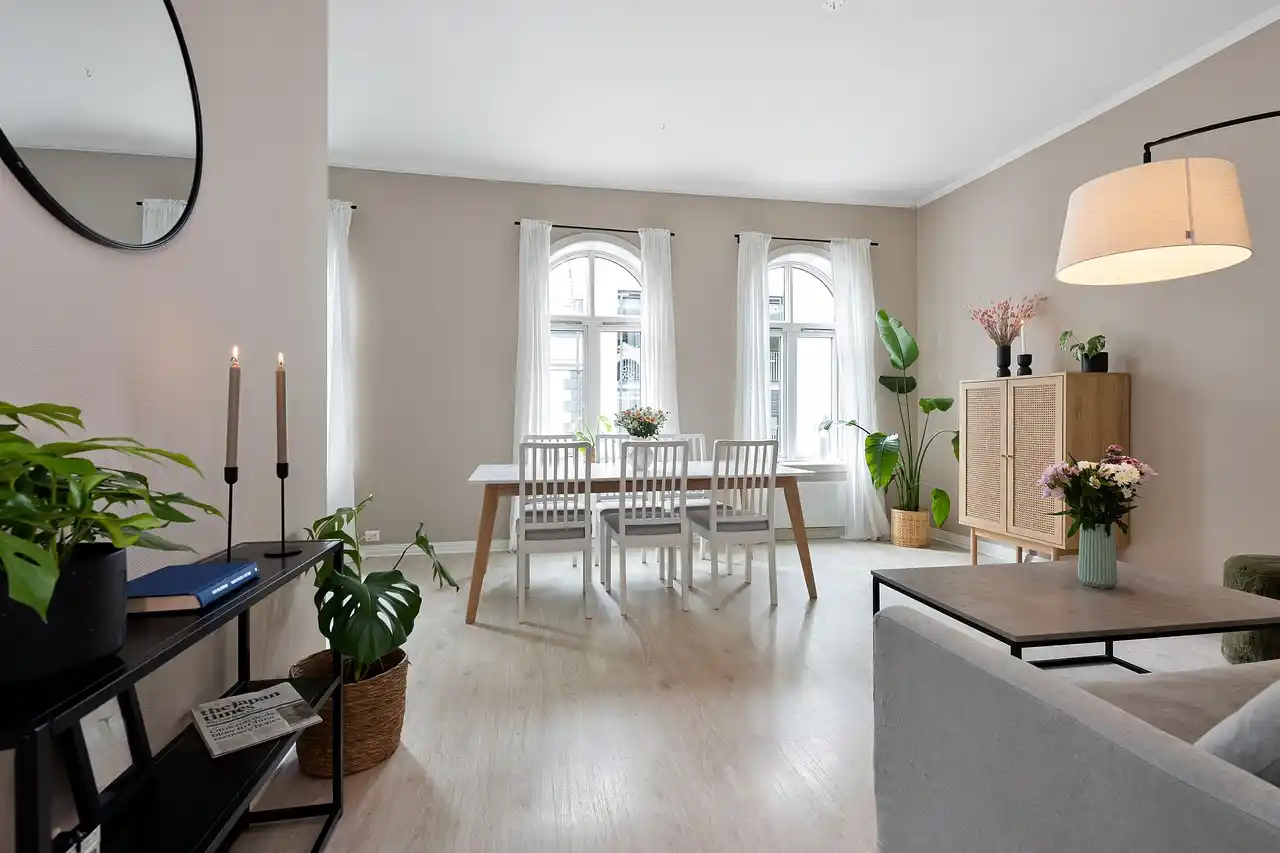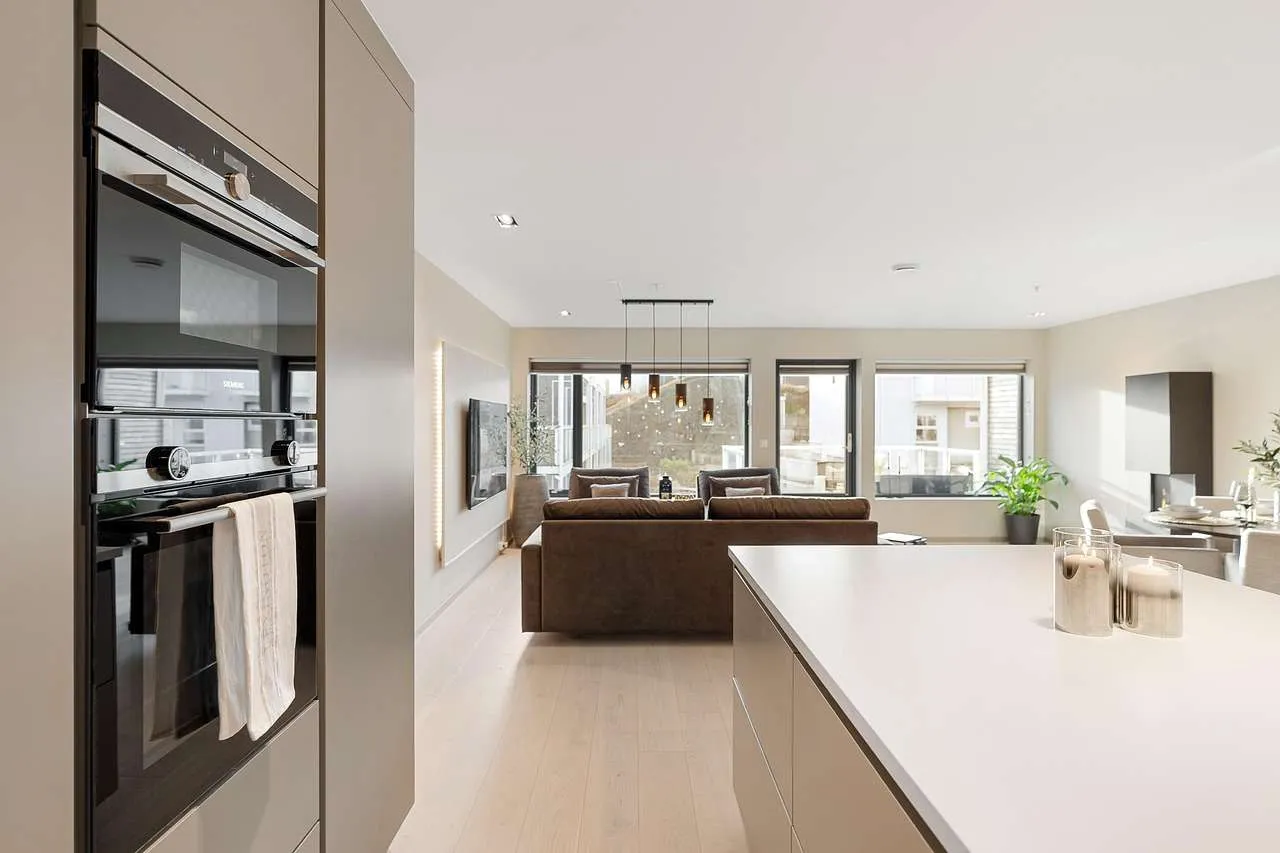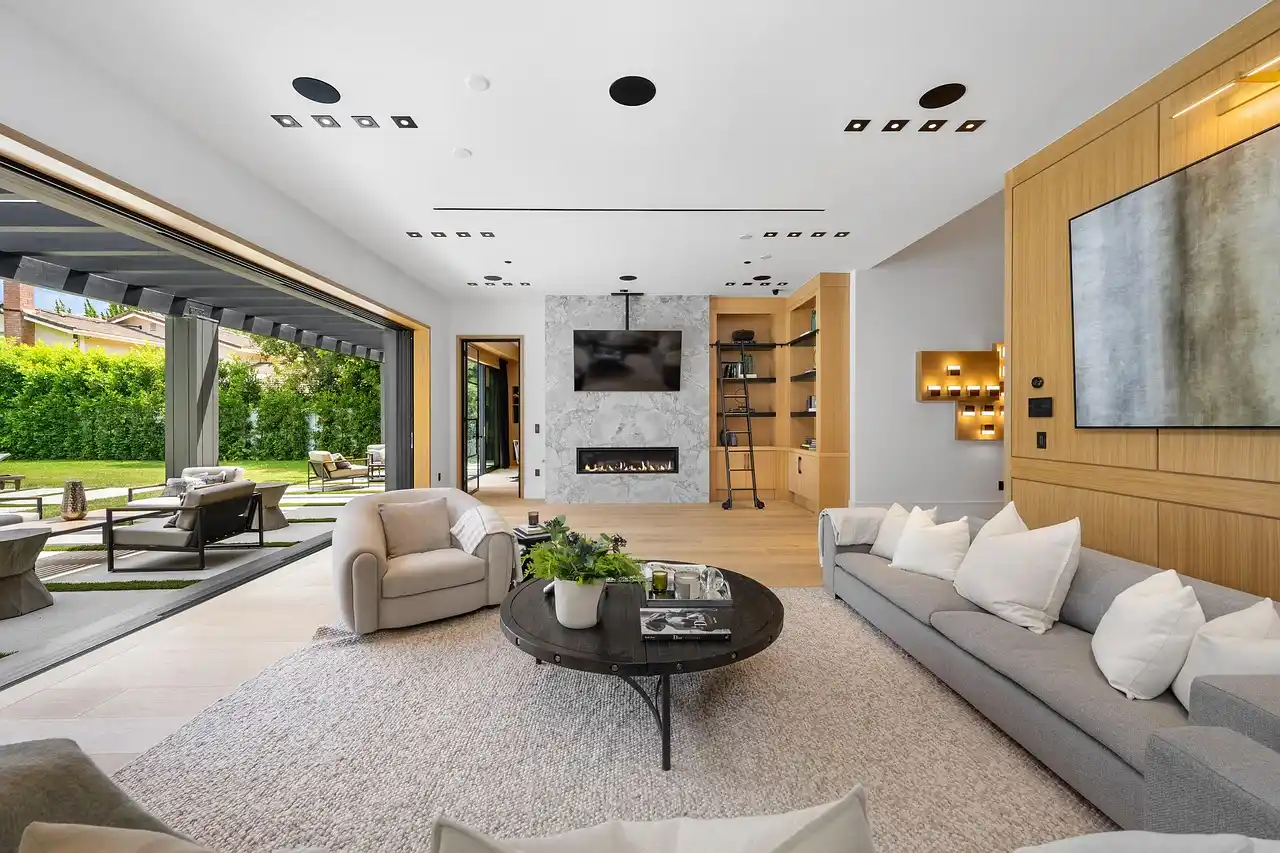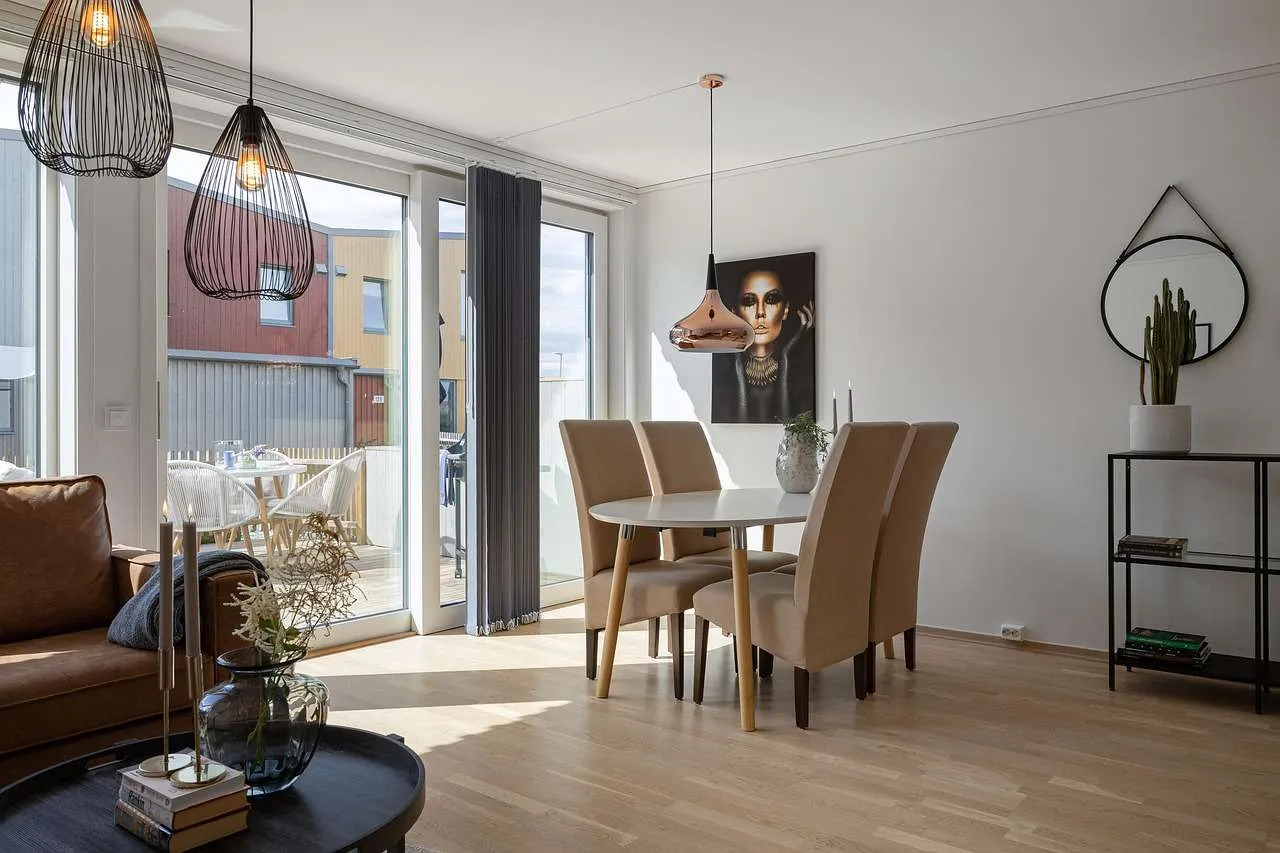
Home window tint is a translucent film applied to interior or exterior glass to reduce heat gain, block UV radiation, and enhance comfort. Modern window films come in a variety of shades and technologies, letting you balance privacy, natural light, and aesthetics with performance.
What is home window tint and how it works
Window tint works by adding a thin film with specific layers that reflect, absorb, or filter light and infrared energy. Some films also incorporate metal or ceramic particles to improve heat rejection without compromising visibility.
Benefits of home window tint
- Energy savings: Reduces cooling load by blocking heat from the sun.
- UV protection: Blocks up to 99% of ultraviolet rays to protect furnishings and skin.
- Glare reduction: Improves comfort in rooms with strong sunlight.
- Privacy and security: Tints limit visibility from the outside, deterring intruders.
- Shatter resistance: Some films hold glass together if broken and can improve safety.
Types of home window tint
Dyed window tint
Dyed films are affordable and provide good privacy and appearance, but they can fade over time and may offer moderate heat reduction.
Metalized and mirrored films
Metalized films reflect more solar energy and can strengthen glass, but may interfere with electronics and reduce clarity at certain angles.
Ceramic window tint
Ceramic films use non-conductive, non-metallic particles to deliver high heat rejection with excellent clarity and UV protection, without signal interference.
Carbon and hybrid films
Carbon-based films reduce glare and provide a rich aesthetic while offering solid heat control and color stability.
Nano-ceramic and advanced solutions
Nano-ceramic films deliver superior heat rejection, UV protection, and color stability, often at a higher price but with excellent long-term performance.
Choosing the right tint for your home
Consider climate, orientation, window type, and interior design. Key metrics include visible light transmission (VLT), solar heat gain coefficient (SHGC), UV rejection, and infrared rejection. You should also check local tint laws for residential applications and ensure any warranty terms are clear when hiring installers.
Legal considerations and energy codes
Many jurisdictions regulate residential tint levels, particularly on street-facing windows. Verify with local building codes and homeowner associations to avoid fines or compliance issues. Professional installers can help you choose a compliant shade that still meets energy goals.
Installation options and maintenance
Lightly tinted films can be installed DIY, but larger or multi-pane windows benefit from professional installation to ensure bubble-free, durable finishes. Maintenance is simple: wipe with a soft, non-abrasive cloth and mild soap, avoiding ammonia-based cleaners that can degrade the film.
Cost overview
Costs vary by film type, window size, and labor. DIY films may start at $3–$8 per square foot for dyed or basic films, while ceramic or nano-ceramic options typically run $8–$15 per square foot, plus installation. Energy savings depend on climate and window exposure, but many homeowners recoup costs within 3–7 years through reduced cooling bills.
Comparison table: tint types at a glance
| Type | Benefits | UV Rejection | IR Rejection | Privacy | Typical Cost | Best Use |
|---|---|---|---|---|---|---|
| Dyed | Low cost, good privacy | Excellent | Moderate | Medium | $3–$8/ft² | Budget upgrades |
| Metalized | Strong heat rejection | Very good | High | Medium | $5–$12/ft² | Hot climates |
| Ceramic | Excellent clarity, high performance | Excellent | Excellent | Medium/High | $8–$15/ft² | Balanced, premium |
| Carbon | Stable color, good heat control | Very good | Good | Medium to High | $6–$12/ft² | Modern homes |
| Nano-ceramic | Top-tier performance | Excellent | Excellent | Very High | $12–$20/ft² | Premium, sun-heavy |
Maintenance and care tips ensure longevity: avoid abrasive cleaners, clean with a soft cloth and mild soap, and schedule professional inspections every few years to check for edges or bubbling as climate and sun exposure change.
Conclusion: By understanding the types, benefits, and costs of home window tint, homeowners can make an informed choice that aligns with comfort, energy savings, and property protection while staying compliant with local regulations.
Summary: Home window tint reduces heat, blocks UV, adds privacy, and protects interiors. Choose the right film—ceramic or nano-ceramic for best performance—consider local laws, and prefer professional installation for guarantee-backed results.