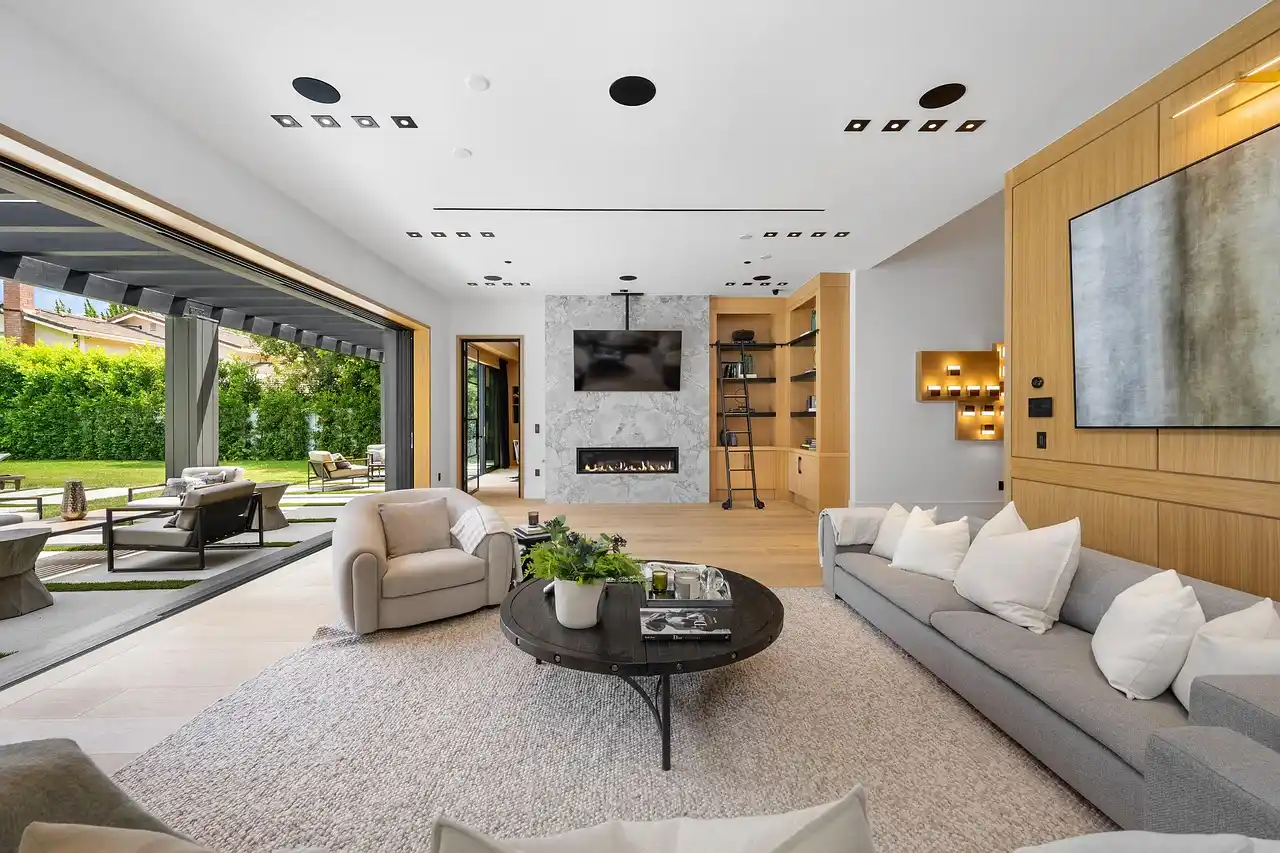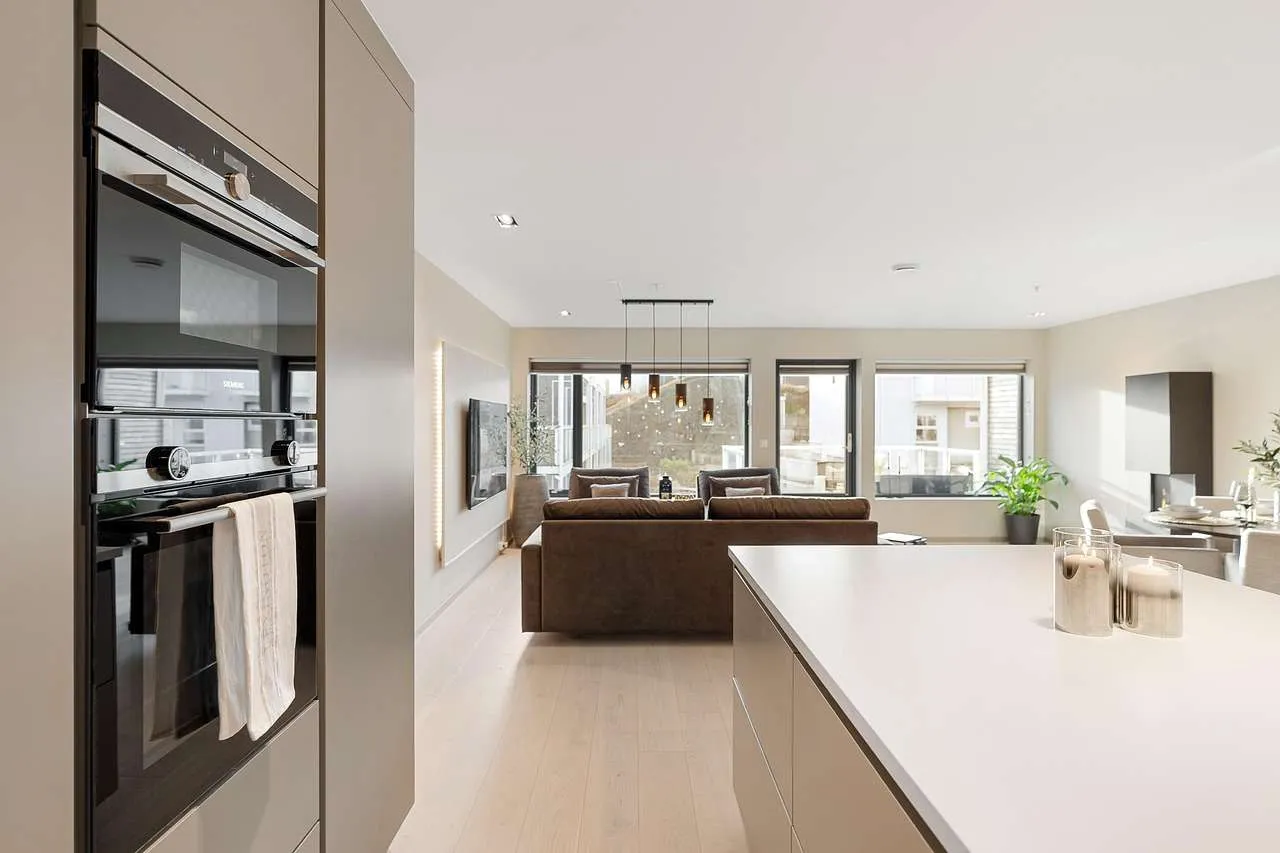
What is window tint for home
Window tint for home means applying a thin film to interior glass to reduce heat gain, glare, and UV exposure while preserving daylight and view. It is a practical upgrade for improving comfort, protecting furnishings, and lowering energy use in warm or sunny climates.
Key benefits
- Energy efficiency by blocking infrared heat, reducing cooling needs.
- UV protection to guard furniture, carpets, and artwork from fading.
- Glare reduction for comfortable living spaces and better screen visibility.
- Enhanced privacy without sacrificing daytime brightness.
- Shatter resistance and a deterrent for break-ins when using safety films.
- Potential improvement in window aesthetics and home value.
How to choose the right tint
Choosing the right window tint for home involves balancing light, heat control, and privacy. Key factors include visible light transmittance (VLT), solar heat gain coefficient (SHGC), UV rejection, and local regulations. Higher VLT means more light transmission, while lower SHGC reduces heat entering the home. For homes in hot climates, a tint with strong heat rejection and adequate VLT maintains brightness without overheating indoors.
Consider a professional assessment to match tint options with your climate, orientation of windows, and room usage. Investments in quality films often yield longer warranty coverage and better long term performance.
Types of window tint for home
Residential window films come in several technologies. Each type offers a different balance of glare reduction, heat control, and light transmission. The following table highlights common options to help you compare at a glance.
| Tint Type | Pros | Cons | Best For |
|---|---|---|---|
| Dyed | Budget friendly; reduces glare | Can fade over time; limited heat rejection | Rooms needing glare control on a budget |
| Metalized | Excellent heat rejection; adds privacy | Can interfere with electronics; visible tint may be high | High sun areas with privacy needs |
| Ceramic | Strong heat rejection; excellent UV blocking; preserves view | Higher upfront cost | Comfort, energy savings, and modern look |
| Carbon | Good heat rejection; neutral appearance; low reflectivity | Moderate cost | Overall energy efficiency without mirror look |
DIY vs professional installation
Professional installation ensures precise fit, bubble-free surfaces, and proper sealing around edges. It also helps preserve warranty and ensures compliance with local regulations. DIY kits are available for smaller projects or temporary solutions, but they require careful surface preparation and alignment. If you are covering large expanses or high-humidity areas, professional work is usually the safer, more durable choice.
Maintenance and regulations
Maintaining window tint is simple: clean with a soft cloth and mild soap solution, avoiding abrasive cleaners that can scratch films. Avoid direct contact with ammonia-based cleaners. Check local laws regarding allowable tint darkness and reflectivity, especially for street-facing windows or multiunit buildings. Some jurisdictions require a certain VLT on front windows or prohibit reflective films on specific walls.
Cost and return on investment
Prices vary by film type, window size, and installation labor. Expect a range from a modest amount for basic dyed films to higher investments for ceramic or carbon films. The payoff comes from reduced cooling costs, improved comfort, and longer furniture life. A well-chosen tint can pay for itself over several years through energy savings and enhanced living quality.
Conclusion, selecting and installing the right window tint for home yields long term benefits in comfort, privacy, and energy efficiency. Assess climate needs, light requirements, and local rules, then choose a film that matches your goals and budget, ideally with professional installation for best results.
Conclusion, window tint for home offers tangible improvements in thermal comfort, UV protection, privacy, and safety when chosen and installed correctly. By considering climate, sun exposure, and local regulations, you can select a film that delivers reliable performance and long term value.