Why choose bathroom tile
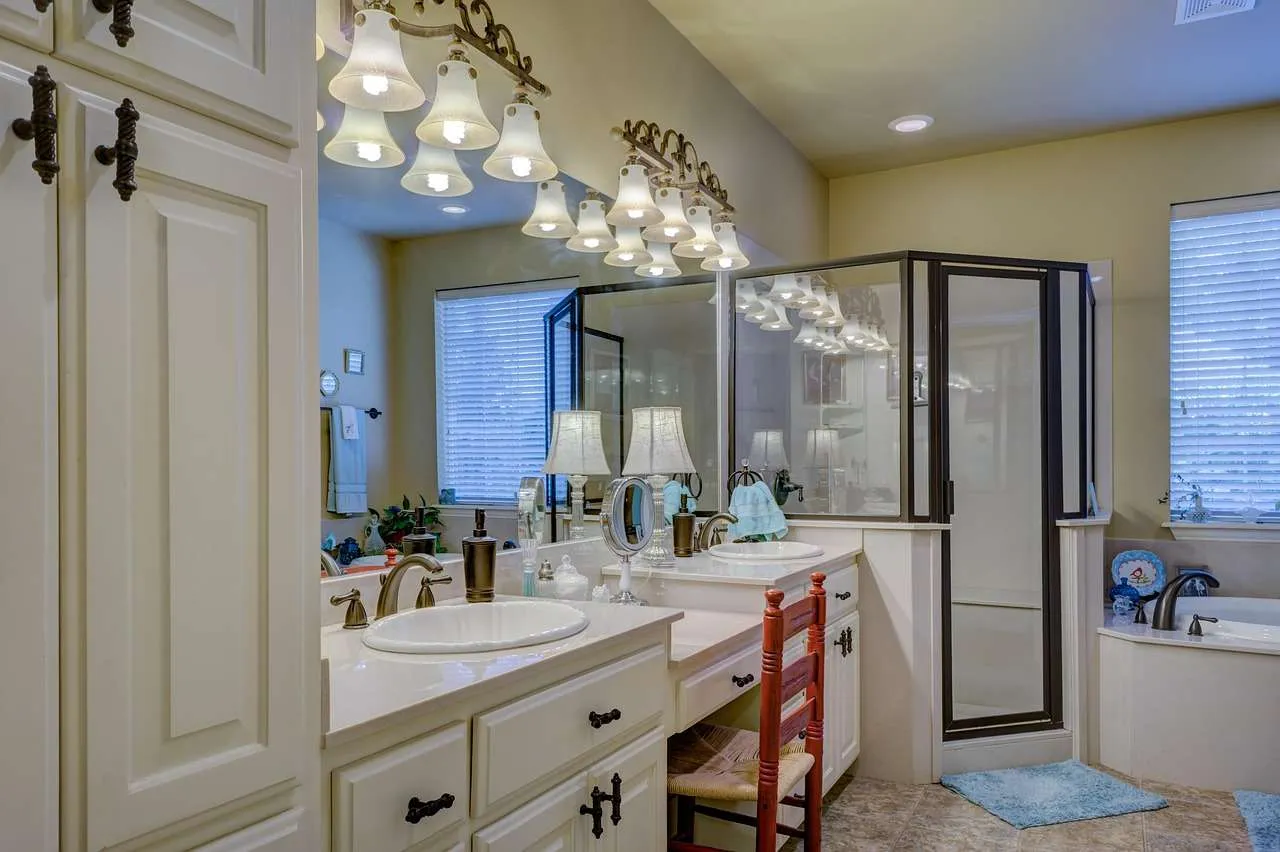
Bathrooms are among the most moisture-prone rooms in a home. The right bathroom tile provides durable surface protection, supports hygienic cleaning, and defines your style from misty neutrals to bold patterns.
Tile types for bathrooms
Porcelain vs Ceramic
Porcelain tiles are a dense, water-resistant option ideal for floors and showers. They resist wear and have low water absorption, which reduces staining and warping. Ceramic tiles are lighter on the budget and offer a wide range of colors and patterns, though they usually require more care in damp areas. When selecting, check the PEI rating for durability and the water absorption rate for your space.
Glass and Natural Stone
Glass tiles add sparkle and are excellent as accent borders or shower niches, but they can be slippery and show water spots. Natural stone—marble, travertine, or slate—offers luxury but requires sealing and regular maintenance to prevent staining and etching. For showers, most homeowners pair durable porcelain or ceramic body tiles with glass or stone accents.
Sizes, patterns, and aesthetics
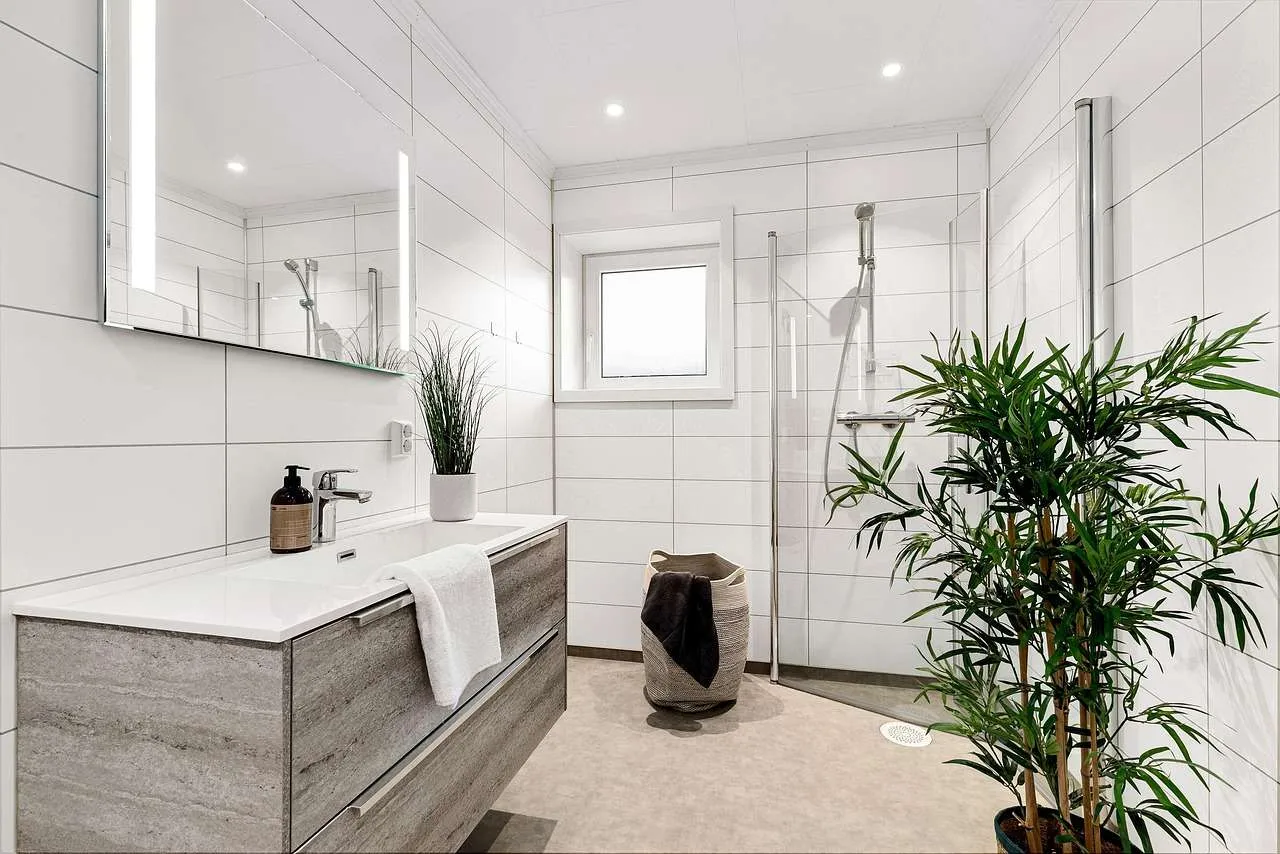
Size and pattern influence the perceived space. Large-format tiles (such as 12x24 or 24x48) reduce grout lines and create a seamless look, while small mosaics or subway tiles (3x6) offer texture and classic appeal. Patterns like herringbone, stacked, or offset layouts can dramatically alter the mood of a bathroom. Choose finishes (matte, satin, gloss) based on slip resistance and cleaning ease; matte finishes hide water marks better than high-gloss surfaces.
Install considerations
Proper substrate preparation is essential. Use a cement backer board and a waterproofing membrane in wet zones, especially on shower walls and floors. Install correct underlayment in bathrooms with floor heating or inconsistent subfloors. Grout choice matters: unsanded grout for narrow joints and sanded for wider gaps. Plan for expansion joints and sealants to prevent water infiltration. For complex layouts, or large porcelain slabs, professional installation ensures flat floors and accurate cuts, reducing crack risk.
Maintenance and longevity
Regular cleaning with pH-neutral cleaners helps preserve color and grout. Avoid acidic or abrasive products that can damage glaze or sealants. Seal natural stone and porous tiles as recommended, and refresh grout sealer every few years to prevent staining. Address chipped tiles promptly to avoid water intrusion behind walls.
Design ideas and color trends
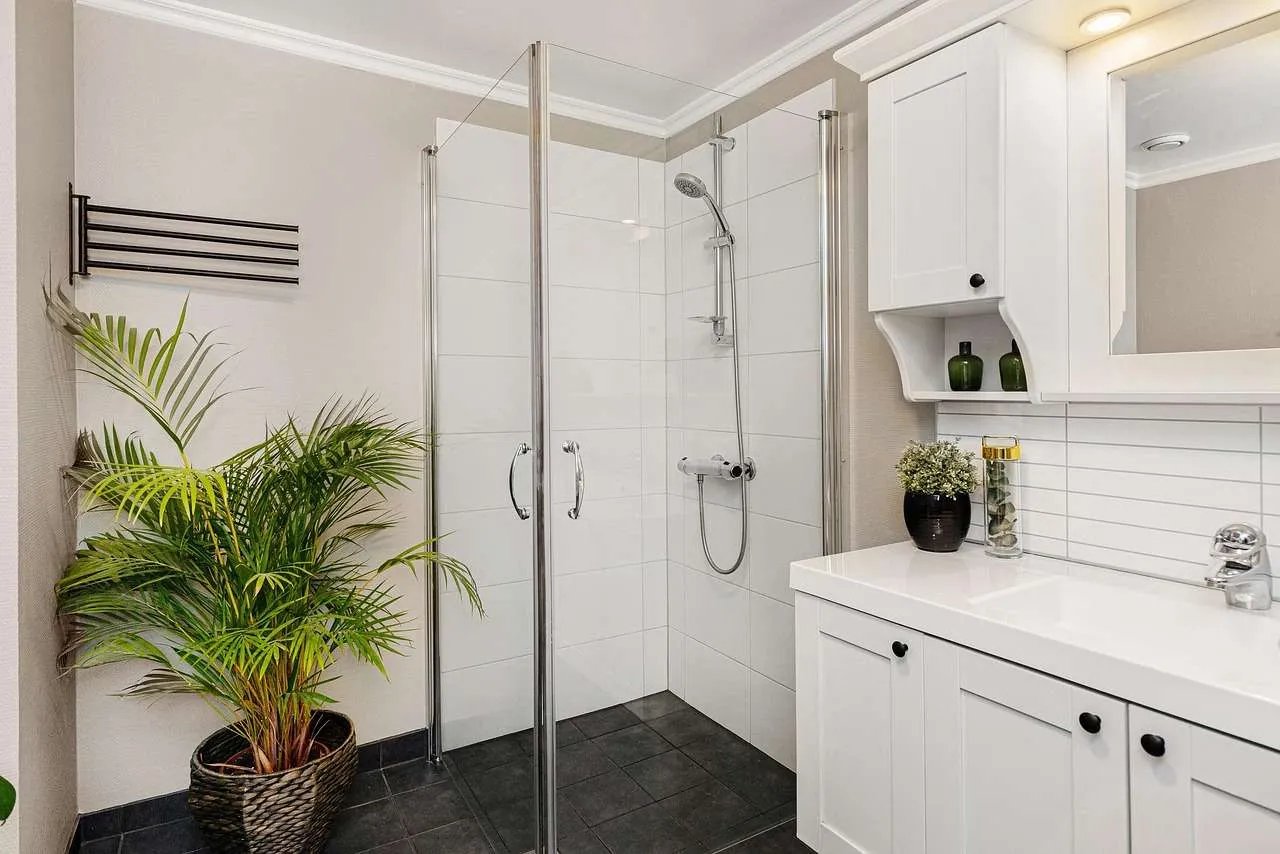
Neutral tiles create timeless backgrounds that let fixtures shine. Pair warm whites with wood vanities, or contrast cool grays with bold hardware. For visual interest, use a cantilevered shelf or a contrasting mosaic band as an accent. If color is desired, pale blues and greens evoke spa-like calm, while deep blues or black grout can emphasize modern lines on larger tiles. Remember to balance tile color with grout choices; light grout on dark tiles brightens spaces, while dark grout highlights pattern on light tiles.
Comparison table: Ceramic, Porcelain, Glass, Natural Stone
| Tile Type | Pros | Cons | Typical Cost / ft² | Maintenance |
|---|---|---|---|---|
| Ceramic | Budget-friendly; wide range of designs | Less water resistant than porcelain | $1–$5 | Low; grout care |
| Porcelain | High durability and water resistance | Heavier; can be harder to cut | $3–$8 | Low; regular grout cleaning |
| Natural Stone | Elegant, unique look | Requires sealing; higher maintenance | $6–$20 | Moderate to high; reseal periodically |
| Glass | Brightens spaces; seamless borders | Slippery when wet; can chip | $6–$20 | Low; care to avoid soap buildup |
How to choose the right tile for your bathroom
Start with where the tile will be installed—floor versus tub/shower walls—and set a budget. Consider traffic, moisture exposure, and cleaning routines. For showers and floors, porcelain or glazed ceramic with a functionally slip-resistant surface is common. Decide on tile size and pattern based on room dimensions; smaller rooms benefit from lighter colors and reduced grout visibility. Sample materials in your lighting and with your fixtures to ensure compatibility. For a project you cannot complete yourself, consult a licensed installer or an interior designer to align construction details with local building codes and moisture management standards.
Summary: This guide covered bathroom tile types, installation considerations, maintenance, design ideas, and a practical comparison to help you choose wisely and achieve a durable, stylish bathroom.